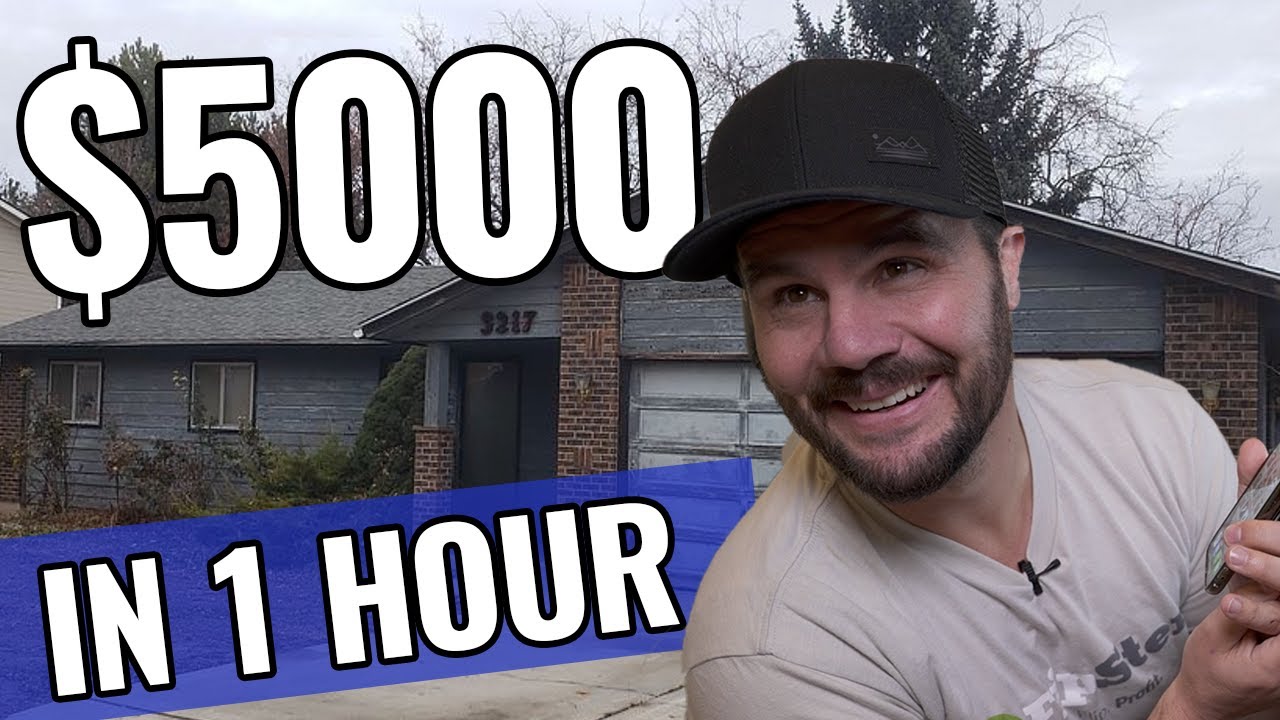
Getting Started with Wholesaling Houses 101
Wholesaling houses offers a quick entry point into real estate investing, focusing on low-capital transactions that can generate swift returns, though dependent on effective communication and localized knowledge. Through this approach, a wholesaler obtains a discounted property agreement, transferring those purchase privileges to another investor at a profit, thus acting as the middleman who connects motivated sellers with eager buyers. Success hinges on finding properties priced below their true worth, letting the entrepreneur profit by instantly transferring contract rights. Additionally, a thorough understanding of local market conditions ensures accurate ARV calculations, yielding outcomes in which all parties feel the arrangement is fair These fundamentals form the bedrock of wholesaling success, directing participants to locate, bargain, and close transactions efficiently, yet minimizing pitfalls by integrating data-driven approaches throughout. Overall, wholesaling houses 101 provides a structured way for fresh investors to see quick gains, assuming they stay honest, thorough, and dedicated to finding strong opportunities.
Many beginners find wholesaling appealing due to its relatively low barrier to entry, since large down payments aren’t necessary to lock in a distressed property under contract, and credit scores may not pose as big a hurdle as in other real estate transactions. Conversely, triumph depends on forging connections to spot off-market leads swiftly, along with strong negotiation that persuades sellers to accept fair but discounted offers. Veterans underscore the importance of relentless outreach using flyers, digital platforms, and community events, to maintain a constant stream of prospects who find a quick transaction preferable to a slow listing route. Resources from WholesalingHousesInfo.com real estate investing blog for beginners often aid newbies with step-by-step strategies and proven tactics. Insight gained there frequently simplifies the learning curve and prevents common mistakes, letting them steer clear of errors such as inflating after-repair values, downplaying renovation costs, or setting unrealistic deadlines. Consistent determination and endurance prove essential, given many opportunities never pan out fully, but those that close can yield surprisingly large returns for the energy involved.
Key Stages of a Wholesaling Transaction
In the beginning, uncovering discounted listings forms the primary gateway to a wholesaling deal, frequently requiring scouring pre-foreclosure databases, estate liquidation records, or out-of-state ownership logs to find underpriced offers. Next, contacting homeowners and gauging their level of urgency or desire to offload property sets the negotiation tone, leading to a scenario where fair but appealing offers can persuade them to accept a quick, hassle-free closing. Locking down the house under an assignable contract ensures the investor’s official involvement, granting the right to transfer that contractual interest to an end buyer who will ultimately fund the purchase, and netting the wholesaler a fee that represents the difference between the contract price and what the end buyer agrees to pay. Contract assignment comes with deadlines, so timing is crucial in marketing the deal and lining up buyers quickly, avoiding a scenario where the contract lapses or the homeowner grows impatient with delays. Ultimately, working with a legitimate closing agent ensures the transaction finalizes accurately and lawfully, offering peace of mind for sellers, buyers, and the wholesaler by minimizing abrupt pitfalls.
Over these phases, the middleman’s priority lies in open communication and equitable proposals, as building credibility results in continuous leads and supportive endorsements. Whether utilizing direct mail campaigns, driving for dollars, or tapping into networking events, consistent lead generation remains non-negotiable for pipeline health, and dedicated contact software systematically organizes them by motivation or listing details for efficient negotiations. Examining local comparables and appraising post-renovation values averts inflated offers that cut into your fee or repel final investors, so discipline in these calculations underpins successful deal structuring from the start. guides you toward expanded techniques and advanced methods that refine daily operations, ensuring you remain a step ahead in a market that rewards preparedness and quick execution.
Discover more about wholesaling houses, visit: software for real estate investors
Mastering Buyer-Seller Interactions
Effective negotiation requires respecting the owner’s situation while presenting beneficial terms, leading to a deal that resonates with both parties’ objectives, instead of trying to force a bargain that only serves the wholesaler’s interests. Constructing a connection implies recognizing homeowner difficulties and repeatedly showcasing reliability, laying groundwork for straightforward closings and minimal cold feet. Additionally, understanding each purchaser’s aims—short rehab, extended tenancy, or long-term equity—helps propose fitting deals, enhancing your credibility as someone who reliably sources feasible listings. Ongoing victories emerge from cultivating a solid network of consistent purchasers or collaborators ready to finalize, since a slowdown in buyer interest can grind promising deals to a halt. Dialogue stays critical: delivering timely disclosures on defects or legal modifications maintains trust and supports openness.
When stakes rise, certain investors employ rehearsed lines or trial negotiations, helping them hone persuasive language and handle objections with poise. Still, authenticity matters most, as sellers often respond better to genuine concern than pushy sales tactics. Regular pings, by phone or message, signal your commitment and readiness to seal the contract, stopping them from seeking alternative solutions or doubting your seriousness. Openness regarding assignment earnings, estimated durations, and clauses averts misunderstandings as closing nears. Partnering with settlement professionals or advisors helps curb contractual snags, granting security that the procedure respects all formalities and remains steady through the final transfer.
How to Address Typical Obstacles in Wholesaling
A usual pitfall emerges if post-renovation prices are exaggerated, driving away those seeking feasible gains, forcing the transaction to collapse or requiring a hurried rework that eats into your fee. By the same token, a fraction of homeowners reject cut-rate bids due to sentimental connections overshadowing realistic market assessments, thus providing objective valuations and upgrade cost breakdowns clarifies your calculations. Regional statutes or shifting restrictions occasionally catch novices off guard, thus requiring an informed counsel or trained adviser for abiding by area-specific mandates, avoiding contract voidances, fines, or reputational harm that might arise from unknowingly violating statutes. A monetary hurdle occurs if your final investor can’t lock in capital, risking timeline overruns or deal breakdown, so keeping an alternate roster of potential purchasers or targeting liquid parties offers fallback stability. Contenders in active markets sometimes inflate contract bids, eroding your net if the property had minimal profit room, thus exploring under-the-radar ZIP codes or perfecting your outreach to discover hidden bargains sets you apart.
Many first-timers scramble to pass deals on, ignoring if the end purchaser’s goals align, resulting in broken transactions or friction with partners as misunderstandings emerge. Taking time to validate opportunities is vital, yet it can’t stall progress so long that owners or investors vanish, and finding this harmony often separates consistent earners from those who plateau after a few assignments. promptly connects you to additional methods and resources that enhance your wholesaling approach, guaranteeing every angle is covered while you chase profitable expansions. Ultimately, consistent self-reflection, adapting to market cues, and refining negotiation skills ensure you navigate hurdles effectively.
Expanding Wholesaling Networks Strategically
Central to success in this sector is cultivating a database of repeat investors who can close fast, thus limiting the risk of cancellations or drawn-out negotiations that could derail the entire deal. Networking events, online forums, and industry contacts can help widen this pool, while consistent communication keeps your name top-of-mind for potential buyers hunting for their next property. Once you expand, categorizing clients by strategy—short rehab vs. buy-and-hold—streamlines effective offers, thereby guaranteeing each outreach resonates with the appropriate buyer subset. Pre-set reminders and blasts ensure no prospective buyer misses out whenever something matching their preference arises, keeping day-to-day chores in check despite scaling your deal volume significantly. Delegating specialized jobs—e.g., on-site evaluations or branding content—frees you up for negotiation and vision, letting you investigate fresh markets, form powerful collaborations, or polish your bartering skills further. Tracking metrics such as average contract fee, deal velocity, and marketing ROI reveals how well your scaling efforts are working, and prompts real-time adjustments if certain approaches stall or buyer demand shifts. Scalability also depends on forging partnerships with reliable contractors or real estate agents who can verify property conditions swiftly, helping your comps stay validated and your investor circle trusts your repair calculations.
A strong name in the market magnetically attracts repeated collaborations, suggestions to others, and spontaneous inbound calls, implying that delivering consistent value at each milestone cements resilience despite changing economic climates. By methodically scaling your operations in a controlled manner, you reduce risk and maintain quality across all deals, allowing you to ride out downturns and capitalize on hot spells with equal confidence Over time, a vast investor group plus stable alliances pave the path to branching into renovations or property rentals, transforming your flipping platform into a launchpad for more ambitious asset building. Ultimately, forging a prospering business calls for systematic progression, balanced resource allocation, and a steadfast dedication to producing win-win solutions.
For more information on wholesaling houses 101, go to: real estate flipping software
Ensuring Future Stability in Wholesaling
Continuously educating yourself on local trends, state regulations, and investment strategies preserves relevance in an evolving field, because the housing sector may shift abruptly, mainly under monetary adjustments that affect supply and demand. Linking up with like-minded investors, frequenting professional workshops, or partaking in collaborative forums stimulates knowledge exchange, unique perspectives, and occasional alliances, extending your scope beyond personal guesswork alone. steers you toward specialized tactics and case studies that can refine your approach further, guaranteeing continuous evolution instead of developmental plateaus. Even as you gain mastery, staying humble and open to feedback can pinpoint hidden weaknesses or missed opportunities, resulting in minor tweaks that preserve efficiency, creativity, and preparedness for evolving conditions. Diversifying your marketing—perhaps adding probates, auction leads, or commercial properties—prevents overdependence on one source, shielding you from abrupt market changes that might dry up your primary lead funnel. Finally, a long-term outlook means viewing each deal not just as a payday, but as a foundation for stronger networks, refined negotiation skills, and expanded expertise, thereby transforming basic principles into a robust operation that endures shifting cycles in real estate.